

Understanding and Managing Sensory Overload in Everyday Life
Sensory overload is a common yet often misunderstood experience that can significantly impact daily life. It occurs when the brain is overwhelmed by sensory input from the environment, such as excessive noise, bright lights, or tactile sensations.
While everyone can experience sensory overload to some degree, it is more common in individuals with neurodivergent conditions like autism, ADHD, sensory processing disorder (SPD), and anxiety disorders.
This article will explore the causes, signs, and practical strategies for managing sensory overload, as well as how sensory tools can help create calm in overstimulating environments.

What is Sensory Overload?
Sensory overload happens when the brain receives more sensory input than it can process effectively.
Our senses—sight, sound, smell, touch, taste, and even senses like balance (vestibular) and body awareness (proprioception)—help us perceive the world around us.
However, if the input from these senses becomes excessive or unmanageable, the brain may struggle to filter and prioritize the information, causing feelings of overwhelm.
Common Causes of Sensory Overload
Sensory overload can be triggered by different environmental stimuli, such as:
- Auditory: Loud noises, overlapping conversations, or sudden alarms.
- Visual: Crowded or cluttered spaces, bright lights, or rapidly changing visuals.
- Tactile: Uncomfortable fabrics, unexpected physical contact, or overwhelming textures.
- Smell and Taste: Strong odors, such as perfumes or cleaning chemicals, or intense flavors.
- Stress and Fatigue: Emotional stress, exhaustion, or changes in routine can lower the brain's ability to cope with sensory input.
Signs and Symptoms
Recognizing the signs of sensory overload is crucial to managing it effectively. Symptoms can vary but may include:
- Physical Symptoms: Headaches, muscle tension, sweating, nausea, or dizziness.
- Emotional Responses: Irritability, anxiety, panic, or emotional outbursts.
- Cognitive Effects: Difficulty concentrating, mental fatigue, or confusion.
- Behavioral Changes: Seeking isolation, covering ears or eyes, or becoming unusually still or agitated.
Strategies for Managing Sensory Overload
Preventative Approaches
-
Know Your Triggers Understanding your personal sensory triggers is the first step in prevention. Keep a sensory journal to identify patterns in what environments or stimuli tend to cause overload for you.
-
Create Sensory-Friendly Environments Modify your home and workspace to reduce sensory stressors:
- Use soft, warm lighting instead of harsh fluorescents
- Organize and declutter spaces
- Use sound-absorbing materials like rugs and curtains
- Create designated quiet zones
-
Plan Ahead When venturing into potentially overwhelming environments:
- Research quiet times to visit busy places
- Locate quiet areas or exits in advance
- Bring sensory tools (more on these below)
- Schedule regular breaks during demanding activities
In-the-Moment Techniques
When you feel sensory overload beginning:
-
Remove or Reduce the Stimulus If possible, step away from the overwhelming environment. Go outside, find a quiet room, or create distance from the source of overload.
-
Use Grounding Techniques Try the 5-4-3-2-1 method: acknowledge 5 things you can see, 4 things you can touch, 3 things you can hear, 2 things you can smell, and 1 thing you can taste.
-
Deep Breathing Practice slow, deep breaths (inhale for 4 counts, hold for 4, exhale for 6) to activate the parasympathetic nervous system and reduce stress responses.
-
Progressive Muscle Relaxation Systematically tense and then release muscle groups throughout your body to reduce physical tension associated with overload.
How Sensory Tools Can Help
Sensory tools are specially designed to help regulate sensory input and provide relief during overwhelming experiences:
- Weighted Items: Blankets, vests, or lap pads supply deep pressure that can have a grounding effect.
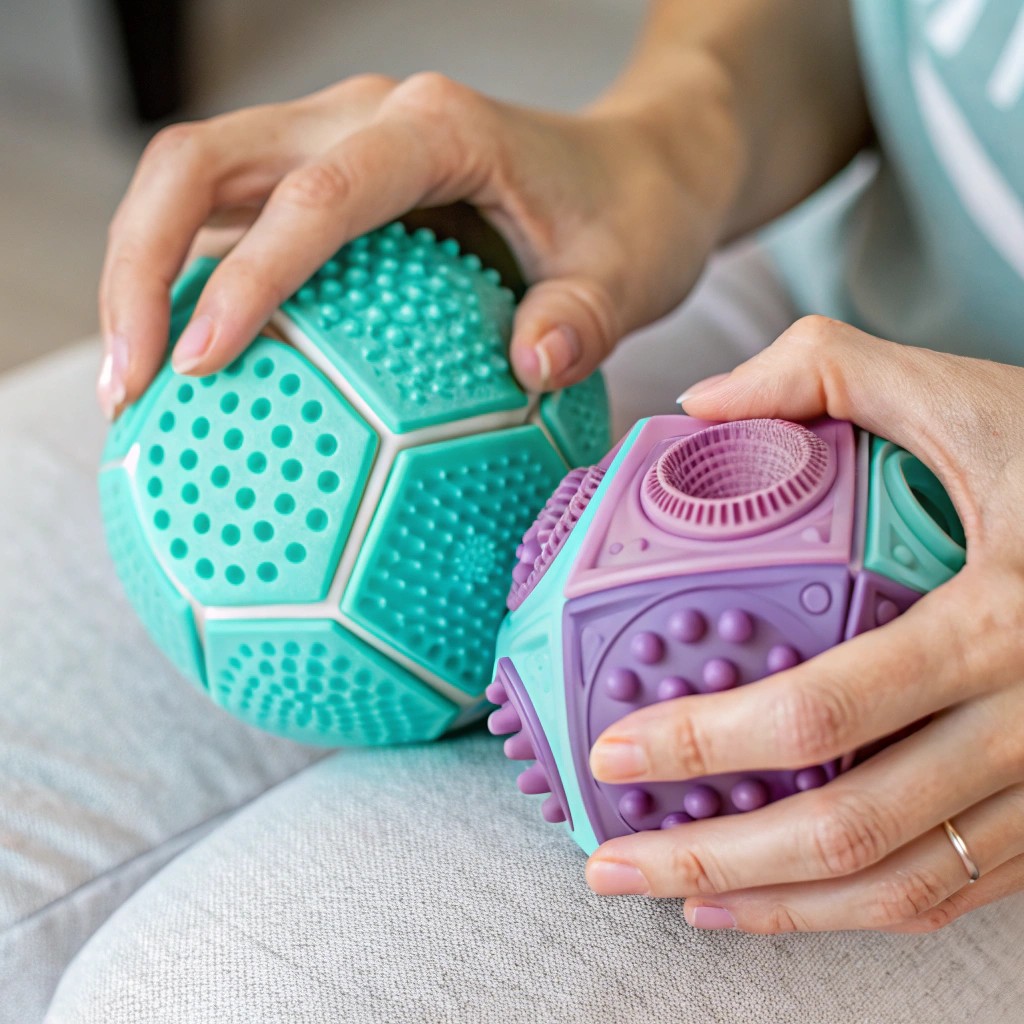
- Fidget Toys: Small, portable tools that offer tactile stimulation and focus.
- Noise Management Devices: Noise-cancelling headphones or earplugs filter out disruptive sounds.
- Sensory Dens: Portable sensory spaces equipped with calming lights, soft furnishings, and select sensory toys can provide a haven for moments of intense overload.
The effectiveness of sensory tools lies in their ability to cater to individual sensory needs, allowing people to create their own balance of sensory input.
The Path to Sensory Harmony
Living with sensory overload can be challenging, but with the right strategies and tools, it is possible to regain control and thrive in everyday life. Start by learning your sensory triggers, creating supportive environments, and using calming techniques or sensory tools when needed. Most importantly, embrace self-compassion and seek support from family, friends, or professionals if necessary. Sensory overload is a real experience, and navigating it with understanding and preparation can make a world of difference.